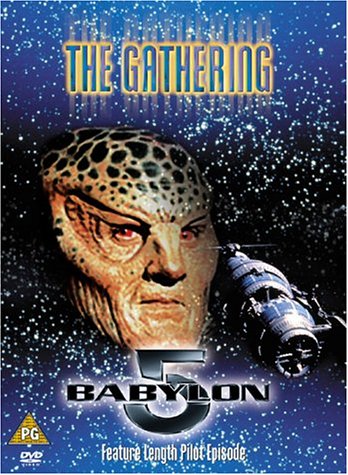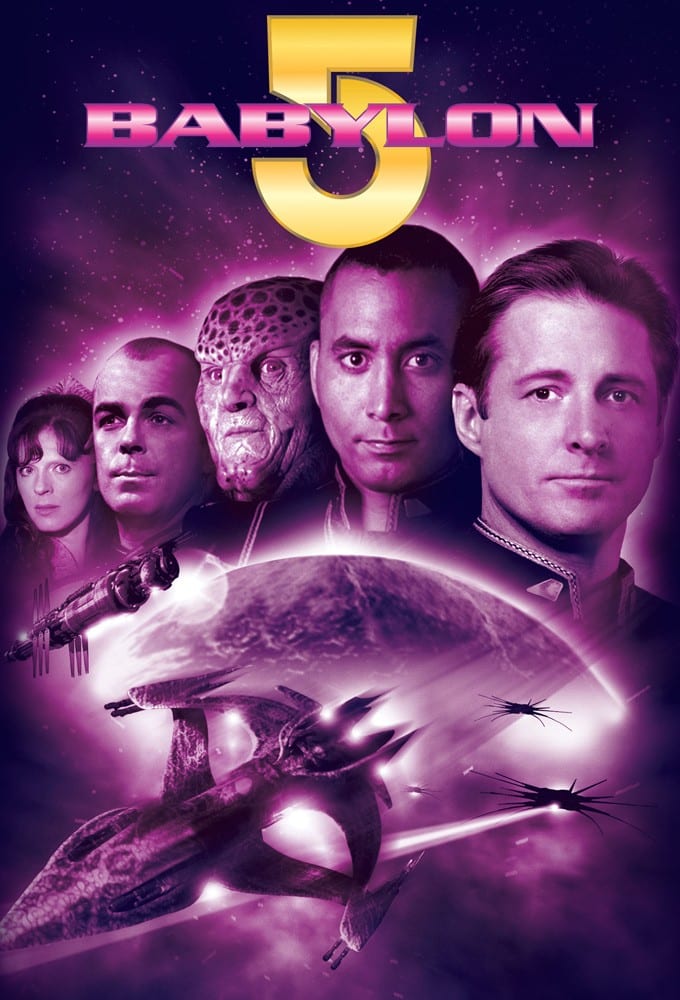
When the Babylon 5 pilot, The Gathering, first came out on VHS I rented it (yes, I’m really that old) and really liked it. I know I rented another of the TV-movies later as well but it was never as good as the pilot. I think that’s the way it usually is, whether it’s film or music, what you see/hear first and really enjoy stays the best. That is what you always compare everything else to.
But jumping forward to today. I’ve spent the last couple weeks on the project of looking at everything in the Babylon 5 universe, which includes the pilot and the other movies as well as the series. In this post I’m going to talk primarily about the series. But as the chronology includes a couple of movies in the middle of seasons or between seasons I might refer to them a bit as well. Well, see how it turns out.
As I said, I really enjoyed the pilot The Gathering. It had a mysterious feel to it. Here we have a space station where lots of different aliens are gathered. We don’t know everything about every race and get a little information about them and their relations to each other. We get to know the basics but obviously there is more to be told.
Season 1
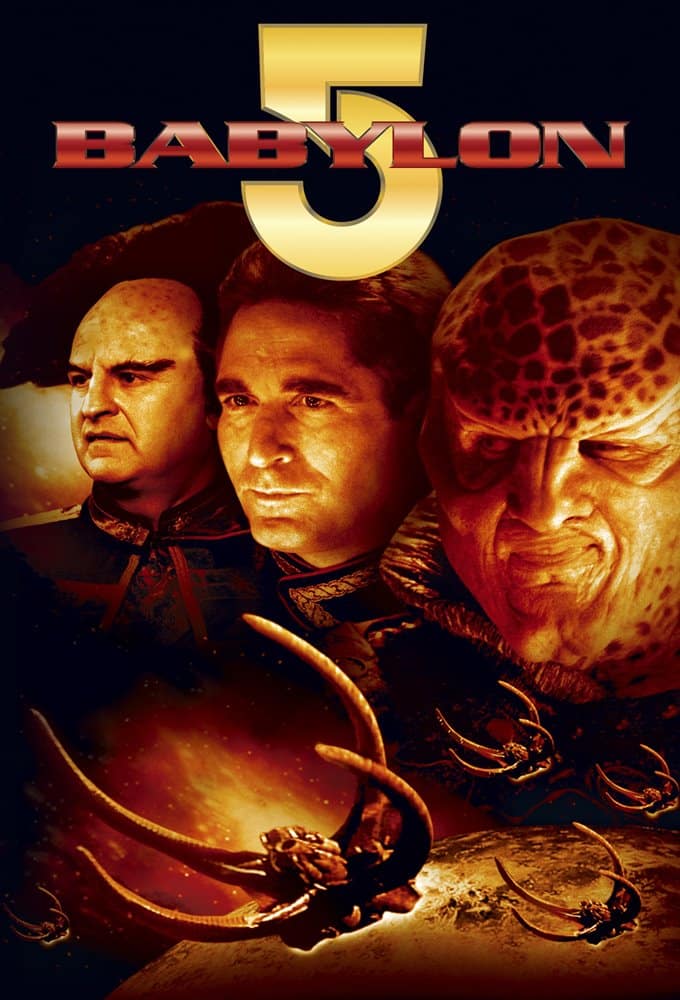
That’s where season 1 comes in. This continues and intensifies the conflicts between the races and the political agenda. And that’s really what it is – a political visualization of what a future space station could really look like. There is bureaucracy and struggles with budget, internal struggle for power inside the Earthforce as well as internally among other races.
Some of the cast has been replaced since the events of The Gathering took place. When I think about it, it’s logical replacements if you look at the storyline. The main cast is still there though. The space station is still run by Sinclair (Michael O’Hare), Jerry Doyle portrays the chief of security Michael Garibaldi, Mira Furlan continues to play Delenn of the Minbari. Susan Ivanova (Claudia Christian) is the second in command and of course the very important sidekicks G’Kar and Londo Mollari (Andreas Katsulas and Peter Jurasik) are present. They are both very important to the story and the development throughout the series even if they don’t necessarily have that much screen time. Plus a couple of other additions in pretty important parts.
I wouldn’t say that there isn’t a story in the first season, because there is, but it’s not as serialized as the following seasons where there is a more obvious story arc. The first season serves more as a foundation for the rest of the story.
Season 2
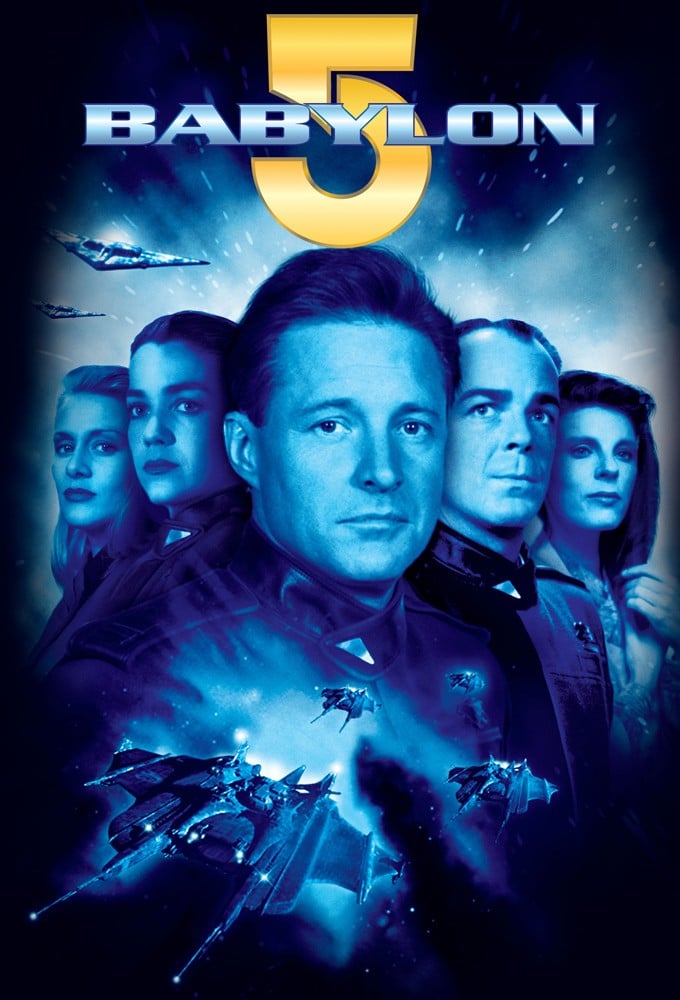
After all that happened in the first season things now change quite a lot. Sinclair is now out of the picture and becomes an ambassador on the Minbari homeworld. In comes Bruce Boxleitner as Captain John Sheridan. He becomes the new head of the space station and I must admit that I was a bit disappointed seeing this change.
It also means that the feel of the series changed a bit. It was not locally focused on politics among the main species. Well, it was, but not in the same way as before. The series got darker but also more comedic. The plot twisted towards a common enemy simply known as “The Shadows”. To some they were just a mere legend but more known to others than anyone would care to admit. The focus is moved to the effort of defeating this ancient enemy as it was done 1,000 years ago.
Season 3
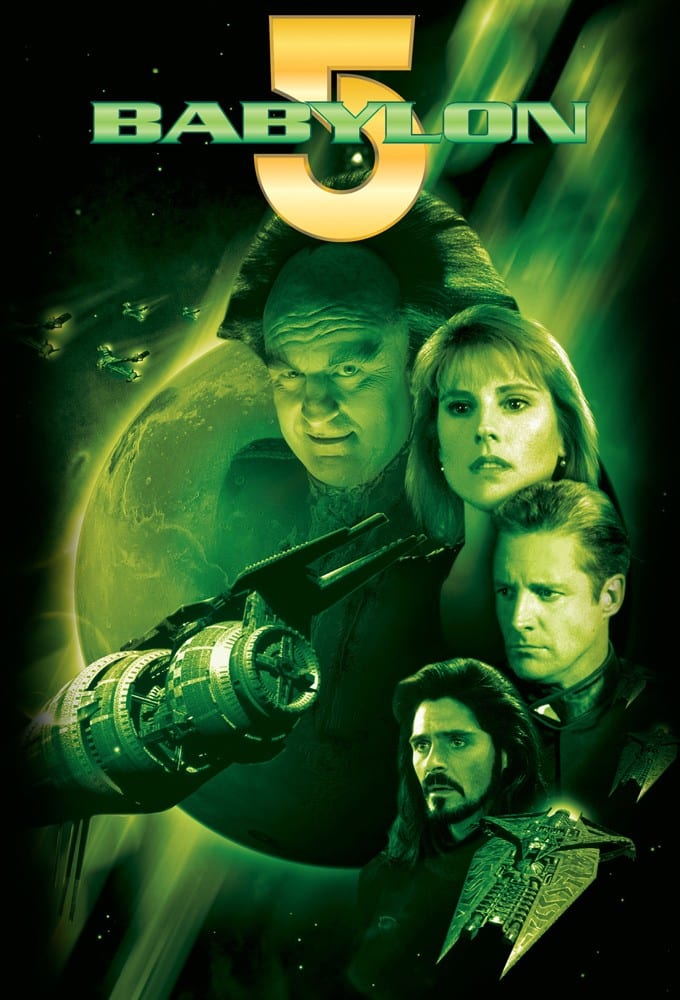
It started already in season 2 but the domestic enemy within is starting to take place in the series. The methods of the Earth government and the president in particular. At the same time, the story about the Shadows still goes on. It’s still the main part of the story. It becomes even more serialized than before and there is a clear goal of the series, to win the war and to restore peace in the galaxy, or at least in the sector Babylon 5 takes place in.
Along the way we get some more parts of the puzzle and little by little everything is put into perspective. It takes time, and there’s a lot of episodes in each season, but we’re getting there. There are ancient races of aliens that have chosen to retire from our part of the universe since the last war a thousand years ago.
The relationship between Londo and G’Kar also starts to get really dark. And we start to get under the skin of Londo and the Centauri way of living. It’s a highly traditionalistic empire even if it’s officially called a republic. And it’s very important not to lose face towards the other aristocratic families that control the politics behind the emperor’s back. It’s clear that he’s torn between the traditional ways of his culture and what is expected from him and his conscience. You almost feel a bit sorry for him even if he personally causes great pain and suppression of G’Kars people – the Narn.
Season 4
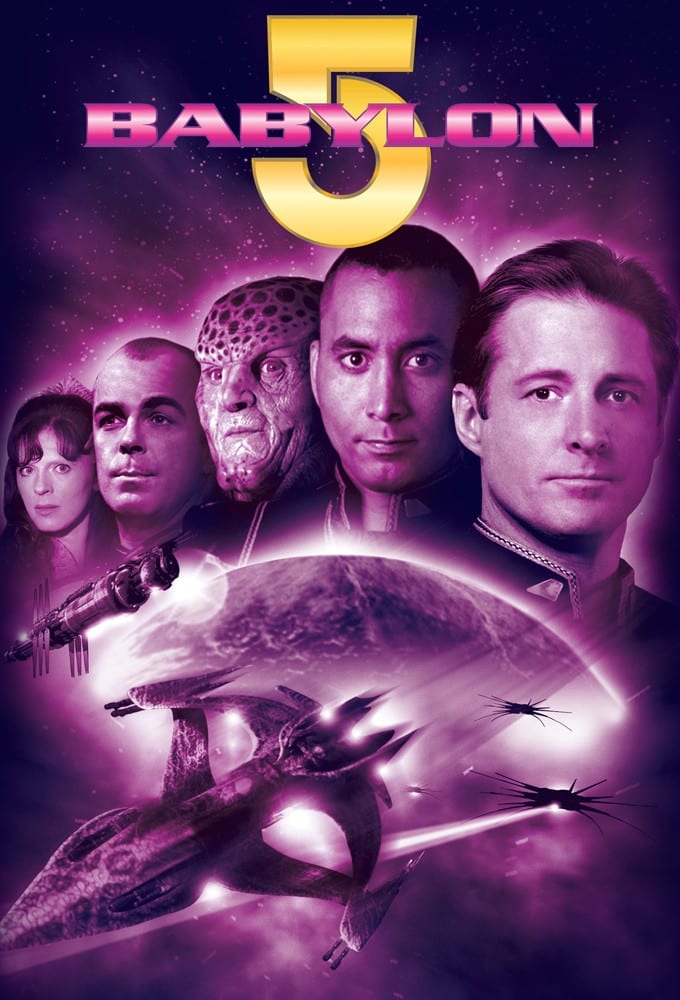
I don’t think it’s a spoiler to state that the war against the Shadows is won. But there is a cost attached which will hang like a veil over the series throughout its remaining seasons. The domestic enemy, the totalitarian dictator and tyrant Clark who overthrows everything that resembles democracy, to create an Orwellian, neo-fascist regime on Earth and its colonies. He expects and demands absolute obedience, and is not satisfied until he achieves control.
It’s a political statement to be sure, and even if I don’t like to involve politics in my texts, reviews, and essays, it’s not hard to find parallels to the real world of 2026. Or for that matter to, 1930s Germany. Which I’m pretty sure that J. Michael Straczynski, who created Babylon 5 and wrote most of the episode scripts, was hinting at these similarities. He couldn’t have been aware of the situation 30 years into the future when the series was written.
In either case, it’s a really scary scenario, and each time a parallel to our own world is displayed you really feel that uncomfortable feeling that makes you want to throw up. The season becomes almost a complete story about rebellion and standing up for what’s right and just. He creates “The Nightwatch” which is nothing more than a state-sponsored denunciation program. The series even incorporated armbands for the members of the Nightwatch to wear, if that doesn’t tell you anything you might want to study Earth’s history a bit better.
Much of the series ends in season 4, even before the season is over I’d say. I have a hunch that they needed to fill out the season with a couple more episodes for some reason. And the last couple of ones are extremely important as they lead to the 5th and final season.
This is where we, through technology available in the timeline long after the Babylon 5 era, get to see the effects of some of the choices made by both the main crew of the space station, but mostly what Sheridan and Delenn’s legacy will be in a hundred, a thousand and a million years. This sets the story line for the 5th season in such a way that it must be built to match the theoretical outcome of what is predicted here. I’m not saying it’s an absolute necessity that things will turn out as laid out. But I think it’s a well-thought-out statement that we, people, own our own decisions and are capable to better ourselves, and change what lies in our paths ahead.
Season 5
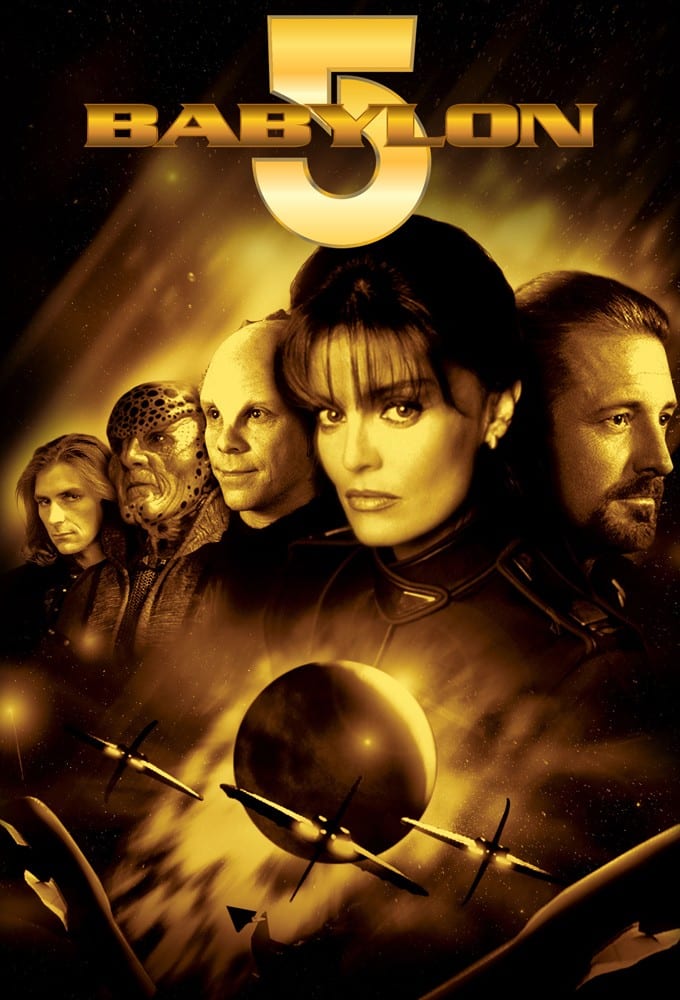
You could see the 5th season as an epilogue of sorts to the series. Focus is no longer on Sheridan handling every decision on Babylon 5. There is a new commander as Sheridan and Delenn now have other, more political responsibilities to attend to. Susan Ivanova is promoted and becomes the captain of a ship and the roles of some of the others are also flipped a bit upside down.
All in all the last season kind of takes us back to the beginning. It becomes more political again, as it was in the first season and in the pilot. Except that both we, and the characters in the series now have the knowledge of what led them there. G’Kar and Londo’s relationship with earth other shifts and I think the fifth season aims a bit at religious worship.
What I said earlier about Londo being a tragic figure but forced to act a certain way due to tradition and honor on his homeworld Centauri Prime. It’s not easy for him to face his former demons but to save himself and his world he has to make the ultimate sacrifice.
The fifth season also introduces a new enemy. It’s not the Shadows again, but in some ways an even more powerful enemy. This line of events remains open when the series ends which could be interpreted as meaning we can never know what enemies is we’re brought against in the future, and that the struggle to find peace will never end. As soon as there is power or territory to fight over, someone will. That is human nature even if it’s portrayed by alien species in this case.
The prediction in the final episode of season 4 becomes reality in a way, but still it doesn’t. We can clearly see the path getting there but also changes made to the future history as the characters made some alternate choices along the way. The final episode is a worthy end which brings back a feeling of companionship, friendship and, dare I say it, hope for the future.
About the Author