

When the Allied forces of World War II declare war on the Empire of Japan, it is decided that all evidence of Unit “731” must be destroyed and its activities as a research center must be kept secret at all costs. Papers are burned, laboratories are destroyed, guinea pigs (Maruta) are shot in mass executions, and the personnel in the form of soldiers and other staff are ordered to return to Japan.This is done by train, but it turns out that the journey is not as painless as one would have thought when one of the passengers has been infected with the deadly plague virus from the base.
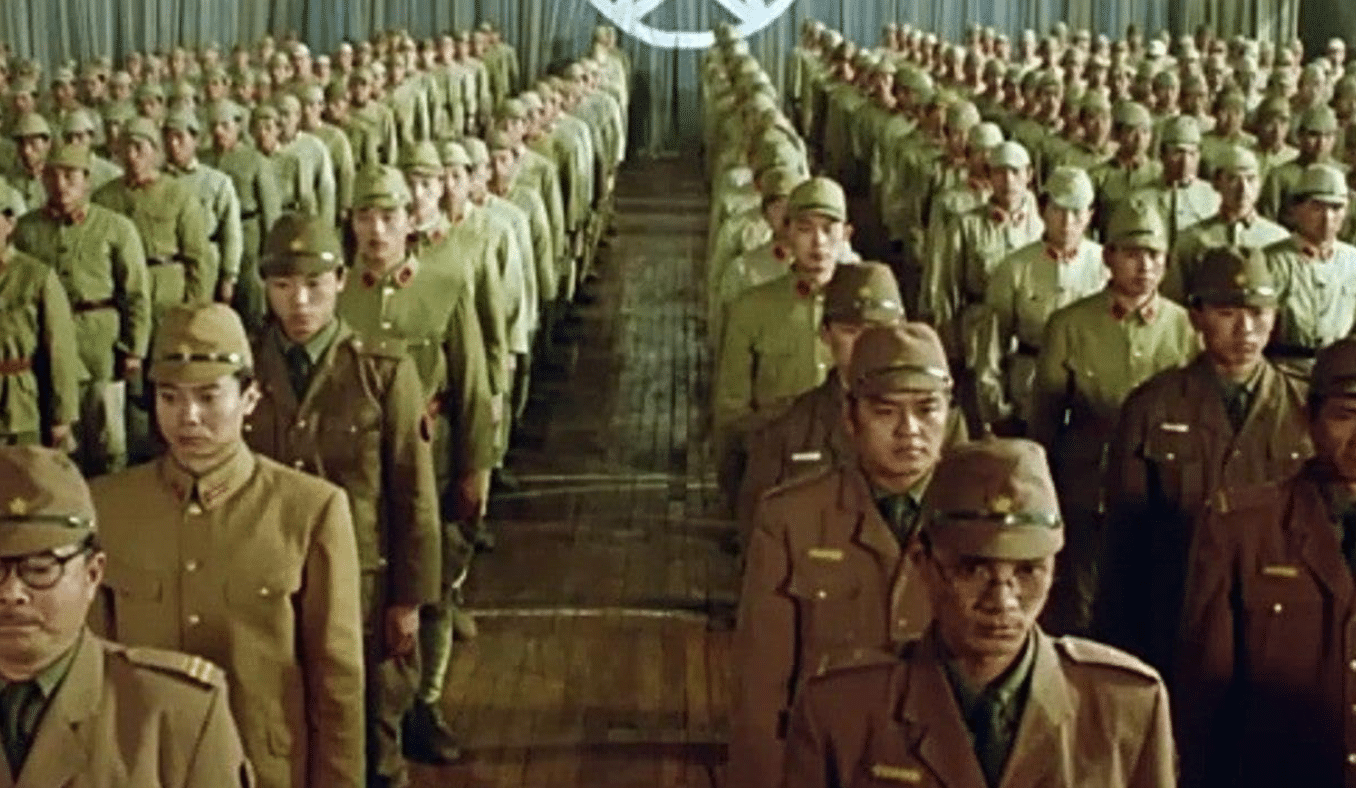
Right at the beginning, the film begins with a flashback accompanied by a narrator’s voice so that we can certainly understand what happened before. Sure, it is possible that you have not seen the previous two films, but how likely is that really? Rather unnecessary information, then. Otherwise, the story follows directly after the first film, and you can put the second as a little parenthesis in the story itself. They also use a technique that was used in the first film, namely to use authentic war images during the opening credits to increase credibility and the sense of reality.
However, there is a clear difference between this film and its two predecessors, partly because it does not contain as much shocking violence and partly because it is more like a “regular” war drama in its structure. It is more about the aftermath of the war in the form of post-traumatic stress and other symptoms that may indicate great stress. Perhaps some of the symptoms are due to the fact that the soldiers are given strict orders that they are not allowed to reveal anything about Unit 731 under any circumstances and are not allowed to seek out each other once they have returned home.
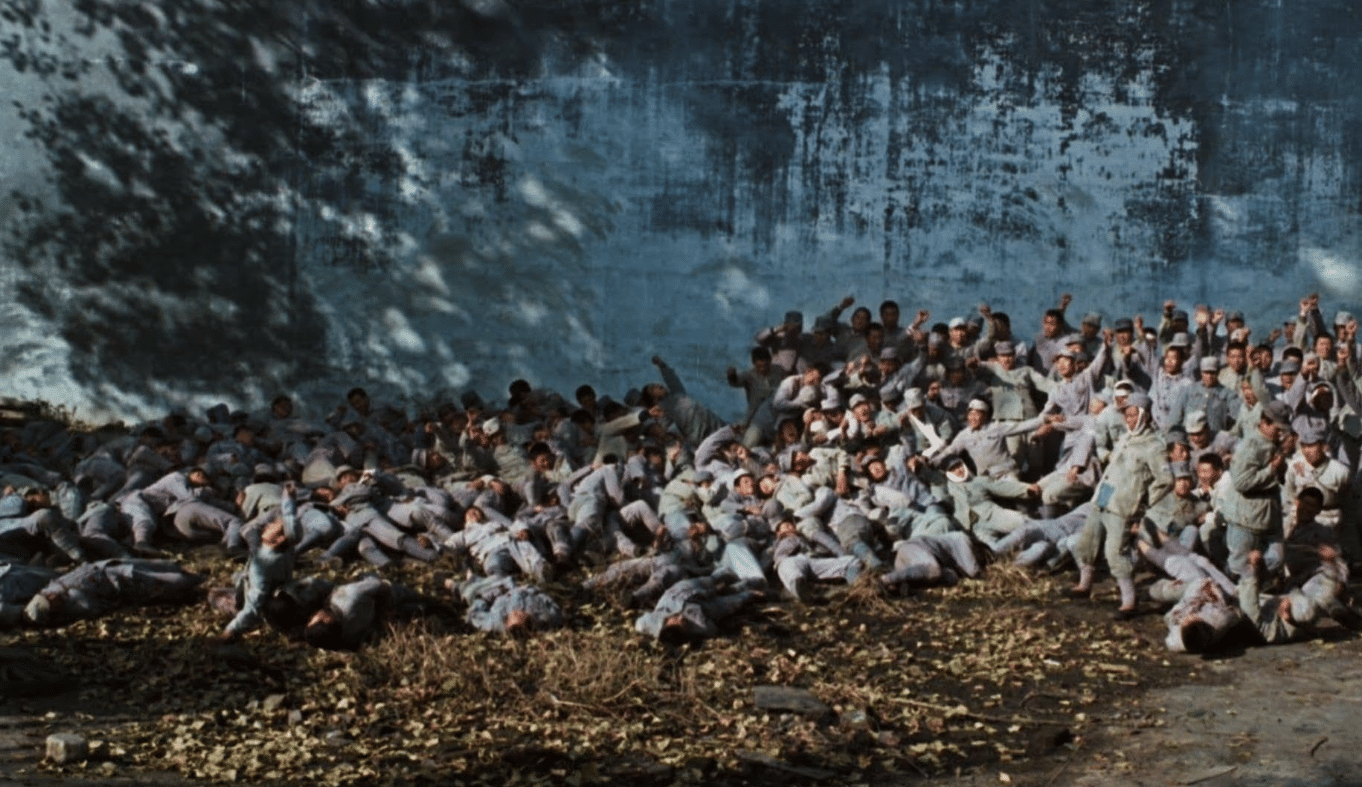
They are also not allowed to take up employment as servants or servants in civilian life, all of which is punishable by death if discovered. The fact that Ito, as one of the passengers on the train is called, has been infected with the plague does not, of course, reduce the stress either. It is also with him that the thoughts of how cruelly the experiments were actually carried out begin. One by one they begin to understand that they actually used real people and not consumables for their experiments, and when we follow this in flashbacks, you get the impression that they are somewhat ashamed of their actions. I, personally, thought that this film was considerably better than its predecessor, but if you are looking for sick experiments, there is, of course, nothing to be had, and it cannot be compared to the wonderful original.
Translation of a review I wrote in Swedish years ago
About the Author


