
 Tommy Snöberg Söderberg
In the spring of 1945, the Japanese had established a secret base in East China, more precisely in the culturally geographical region known as Manchuria. This unit, “731,” is a research base that primarily investigates various possibilities for bacteriological warfare. The subjects used for the inhumane experiments are mainly Chinese, Koreans, and Mongols, but also Russians, who are all considered to have lower human value than the Japanese.

They are all “maruta” (log) according to the Japanese and are only good for fire after the experiments. There is also a small attempt at a plot in this film, but the story of the young doctor who is horrified by the experiments and his fiancée who comes to the camp disguised as a Chinese almost completely disappears in the attempts to shock and disgust the viewer. On top of everything, the film fails to grab hold of the viewer, and all the attempts at gut-wrenching experimental sequences that occur simply fall flat. Don’t get me wrong, all (almost) of the atrocities look very realistic, and if this were the only basis for assessment, the film would get a high rating.
What is missing, however, is the overarching philosophy that characterized the first film. There was a meaning to what happened; you felt sympathy for the victims, and it sent a chill down your spine during the most horrific scenes. There is none of that here, and even though scene after scene with cruel experiments, which, by the way, feel copied from the first film, want to enhance a feeling of helplessness, it just feels like exploitation and nothing else.
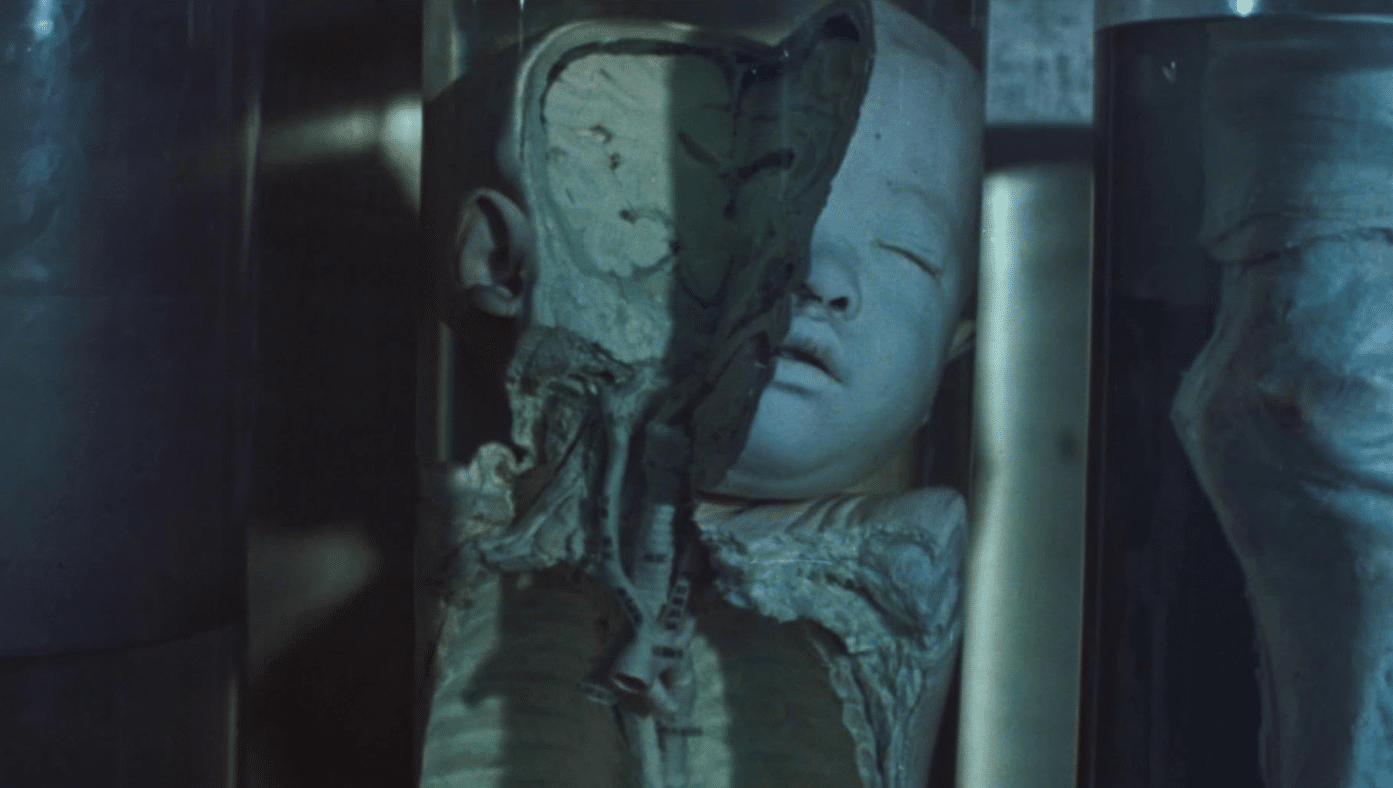
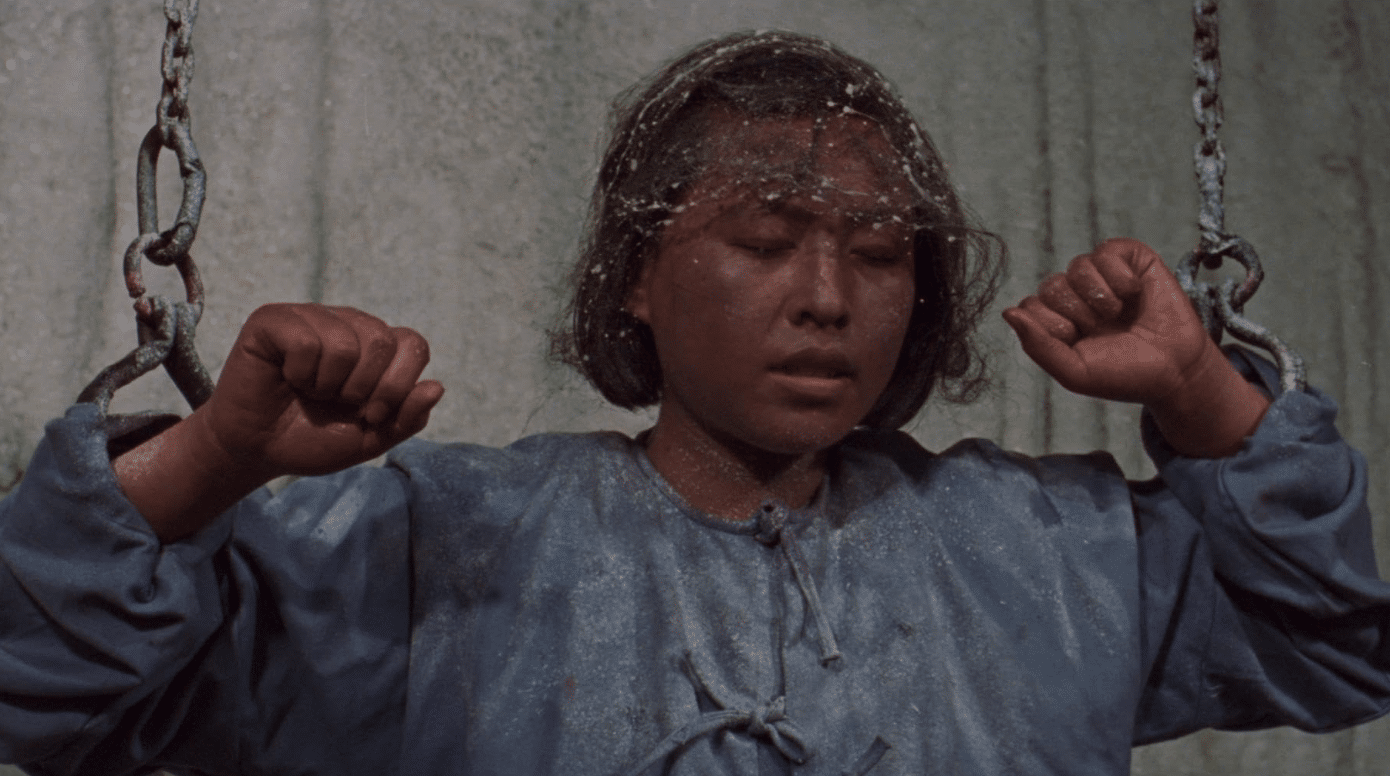
If we are going to continue comparing with the first film, the documentary feel is probably the one to comment on; here it has been replaced with a flashback. The film begins with a man who is called to a post-war meeting. There, all the key people from Unit 731 have been gathered in an attempt to recreate a similar research center. The man questions this modernized refurbishment of a new facility and reminds the other meeting participants of what went wrong last time. After that, we get a flashback.
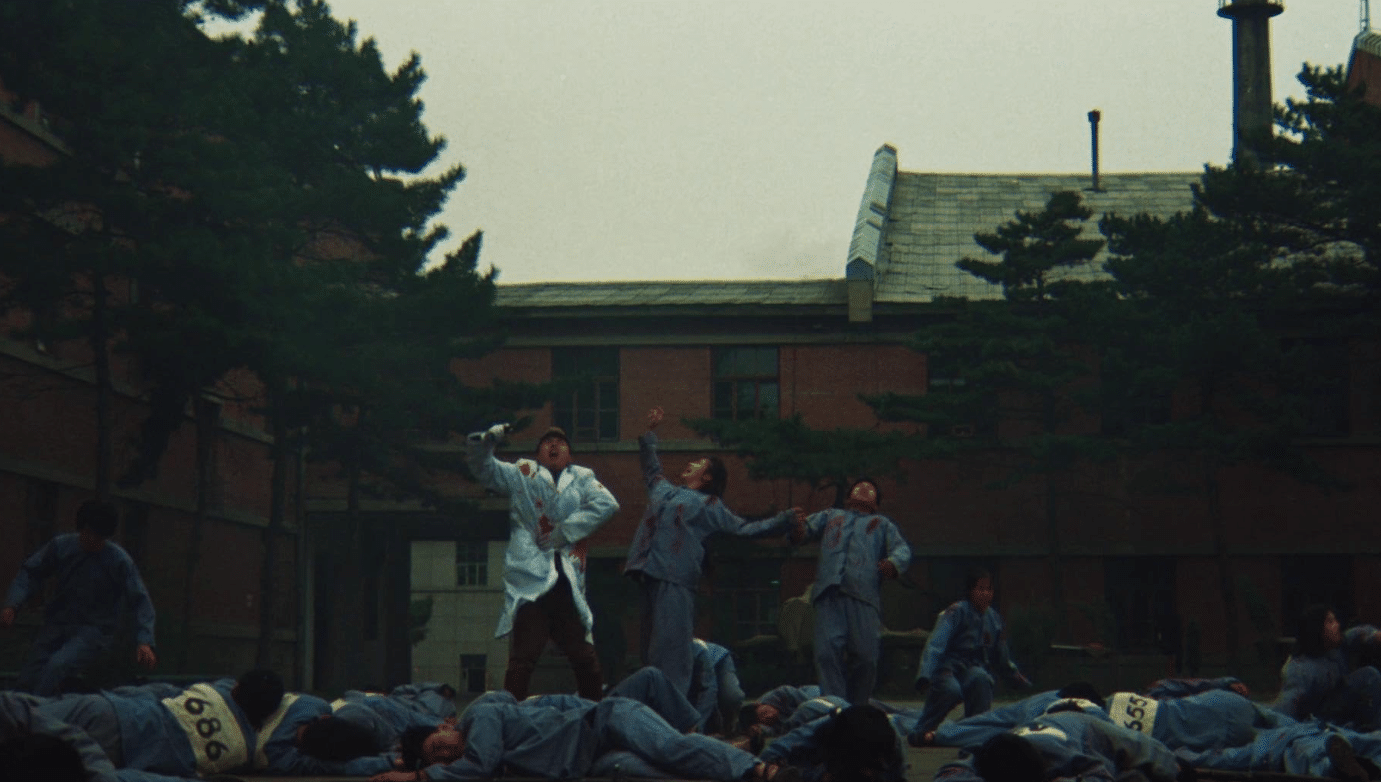
So what is the conclusion of what I have written above? I notice when I read it through that I may sound a bit negative in some respects, and that may very well be due to the fact that my expectations of the film were far too high. That it would not keep the same standard as the first film was actually quite expected, I mean. Despite this, I would absolutely not want the film to go unseen. After all, I believe that it is a film that should be somewhere in the frame of reference of those who loved the first film or are as morbidly interested in extreme films as I am…
Translation of a review I wrote in Swedish many years ago
About the Author




 Del Gibson