
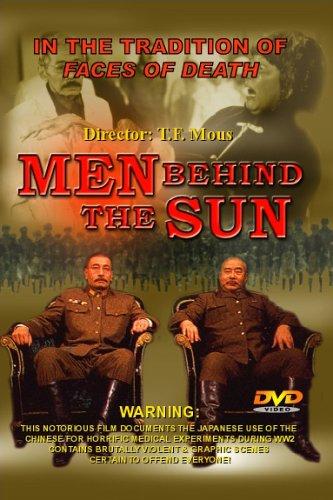
Men Behind the Sun takes place during World War II; the Japanese run a prison camp in China. They carry out all sorts of experiments to strengthen the Japanese military power. Everything from finding out how much cold a person can withstand before their limbs freeze to ice to experiments on bacteriological warfare. Some young recruits come here to be trained and get a feel for what life in the harsh reality is like. You get to follow everyday life through the eyes of these young people who are systematically taught that the test subjects are just objects, or “Maruta” (Log) as they are called, fit only for the Japanese’s purposes.
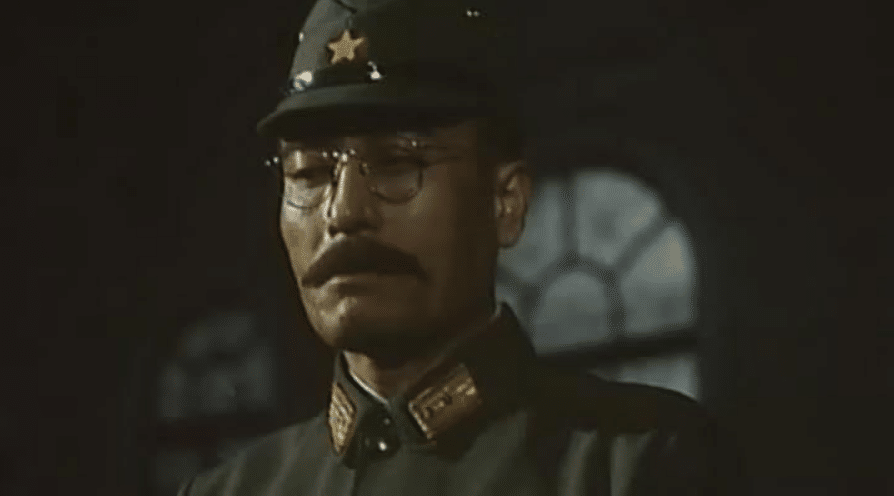
The film begins in documentary style and describes in detail the Japanese siege of China and where the various facilities are located and how they work. This gives you a serious attitude towards the film right from the start. The horrors of how the various experiments are carried out strike the viewer, but this is also a film about brainwashing, propaganda, and war strategy. Perhaps the film’s strongest message is that children should be allowed to be children and not soldiers; at least that is the first thing you are confronted with.
This is not an entertaining film; if you are looking for entertainment violence, forget it! The violence is not amusing in Men Behind the Sun but rather a humiliation of the viewer. What the film does is that it awakens emotions within you that you never thought were possible, and you feel deep anger and anxiety before the atrocities that are shown. Some of the strongest scenes in the film are when a boy of 7-8 years is autopsied alive and his organs are removed. The film is also known for the fact that the scene where the cat is thrown out among thousands of rats is real, at least it looks real enough to me.
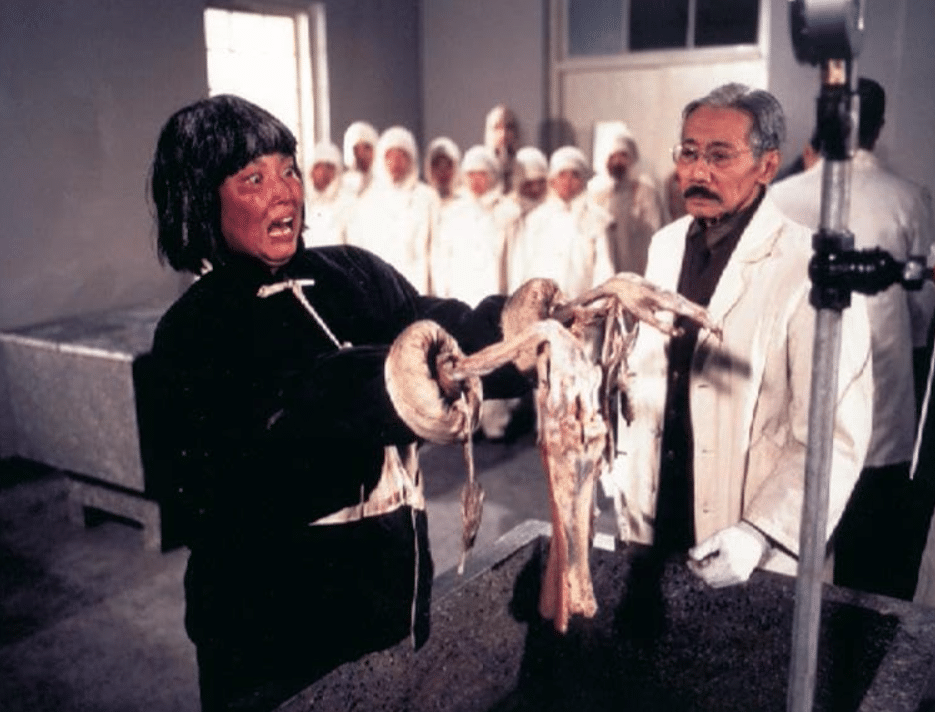

Chinese and others are used for the Japanese’s cruel experiments, as they are not considered to have any human value except as test subjects. Perhaps it would be a bit easier to understand if the film instead took place in Nazi Germany and the Chinese were Jews instead? It doesn’t really matter; this is a film about the oppression of an entire people, by people who consider themselves better than everyone else. Regardless of whether you like it or not, this is an important film. It’s important in that regard not to forget our history, a history that has sometimes been bloody and cruel. A history that must never be repeated under any circumstances and a history that has at times been so heinous that you are ashamed of it.
Translated from a review I wrote in Swedish many years ago
About the Author


